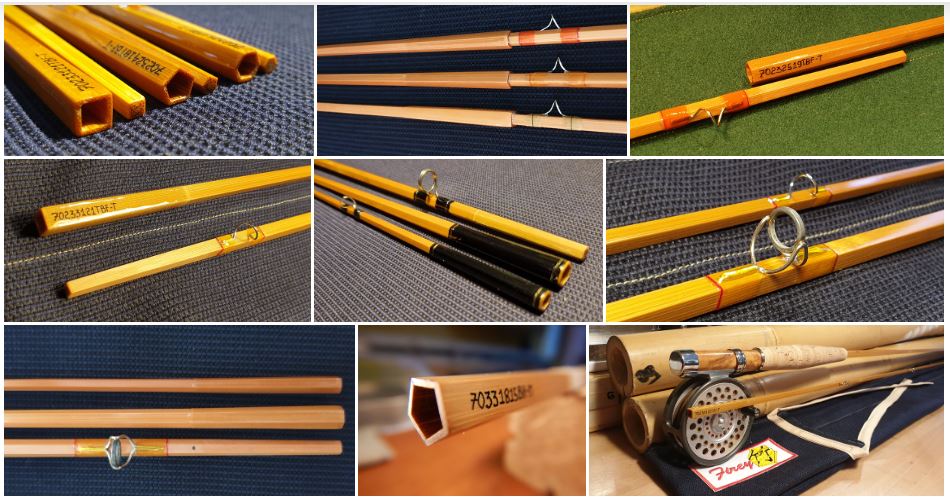


TBF – Tapered Bamboo Ferrule
Integrated Bamboo Conical Joint designed for bamboo rods.
The Inclined Plane and the Wedge Principle
Everybody knows that when pushing a wheeled cart up a ramp, a gentle slope requires less effort. An inclined plane reduces the force needed to lift a load by spreading the movement over a greater distance. A wedge works on the same principle: the longer and shallower the taper, the less force is needed for penetration, converting axial movement into transverse separating forces. Friction also affects the force required.
In the TBF, the tapered male section acts as a wedge. As it is inserted into the female section, the inclined contact surfaces convert the axial insertion force F into forces normal to the tapered surfaces, producing radial pressure pr distributed uniformly against the female walls. This pressure tends to expand the female section outward, while the silk wrapping, reinforced by the epoxy finish, restrains this expansion.
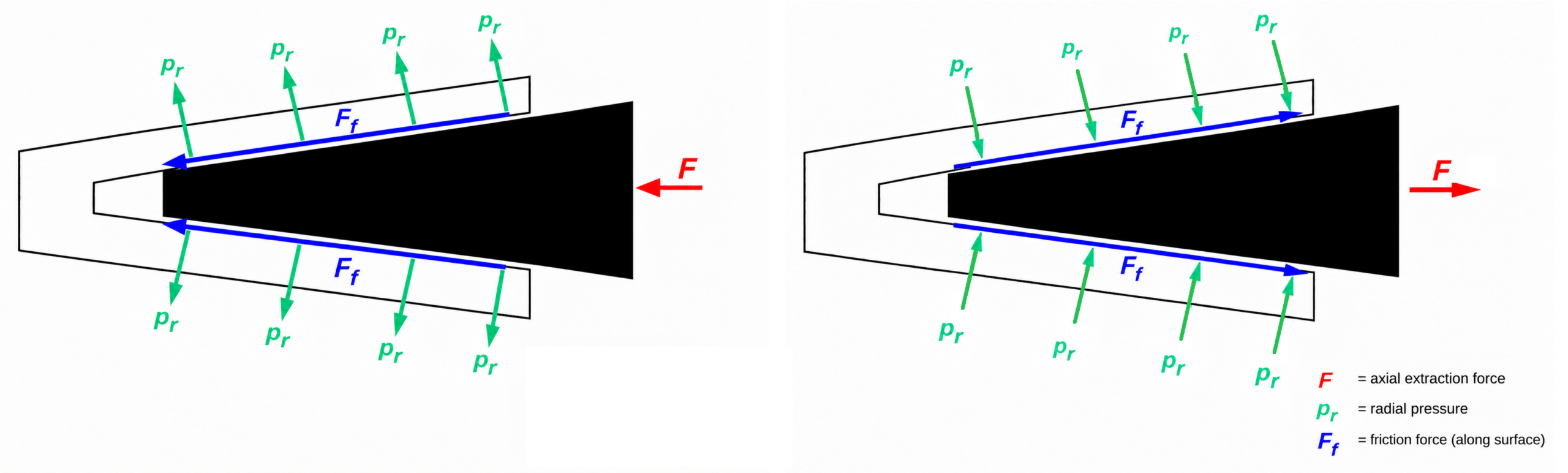
The resulting friction force Ff helps lock the two sections together. This principle enables the TBF to achieve a secure and reliable grip during casting.
How the TBF Works
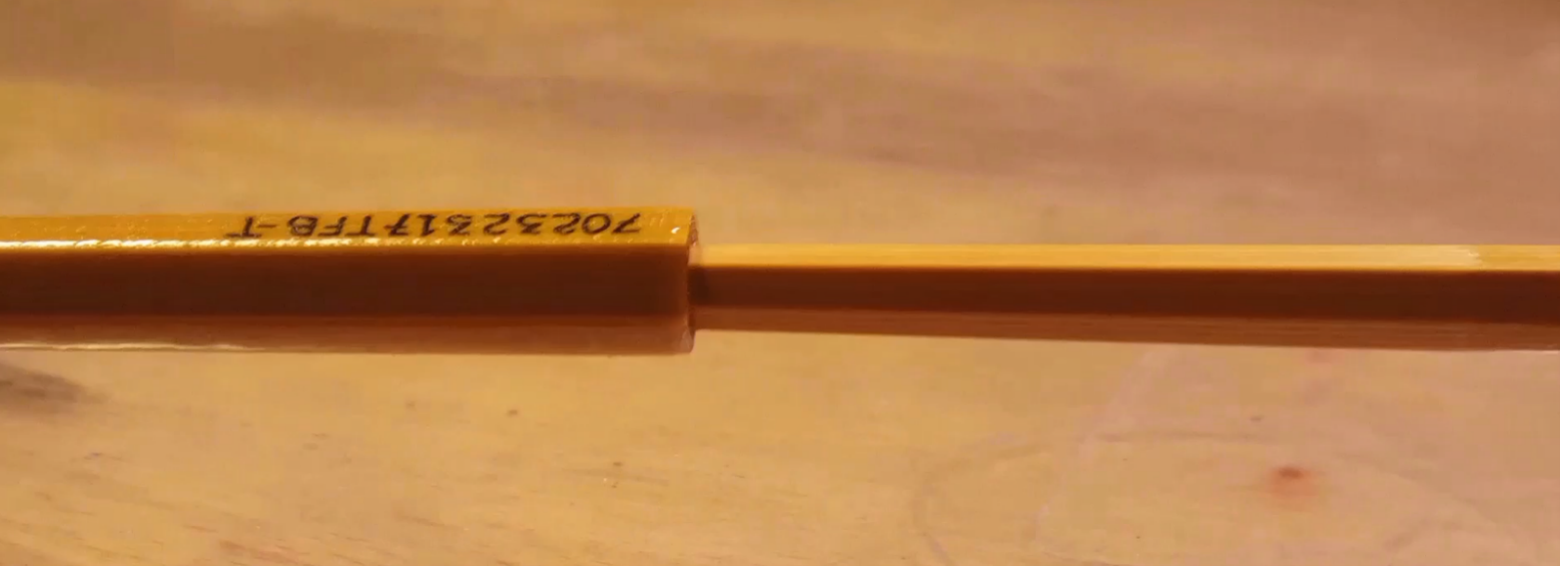
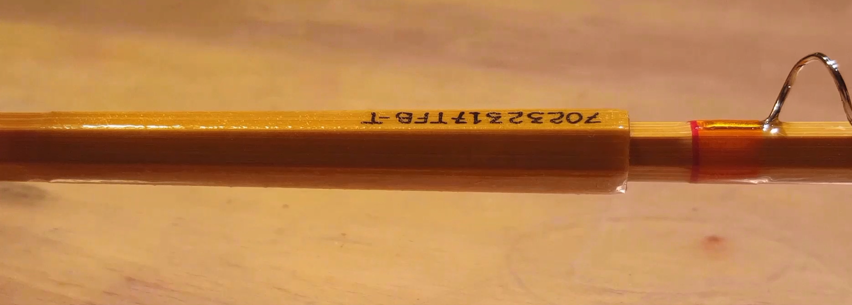
The TBF works through the progressive insertion of the tapered male section into the female section.
As the two sections engage, the increasing contact between their tapered surfaces creates a secure and progressively tighter connection. During the final millimeters of insertion, friction between the tapered surfaces generates the gripping force that securely locks the two sections together. The mechanical sequence can be summarized as:
MALE INSERTION ⟶ WEDGE ACTION ⟶ RADIAL PRESSURE ⟶ EXPANSION OF THE FEMALE ⟶ SILK/EPOXY RESIST THE EXPANSION ⟶ PRESSURE IS MAINTAINED ⟶ FRICTION LOCKS THE SECTIONS
TBF Design and Construction
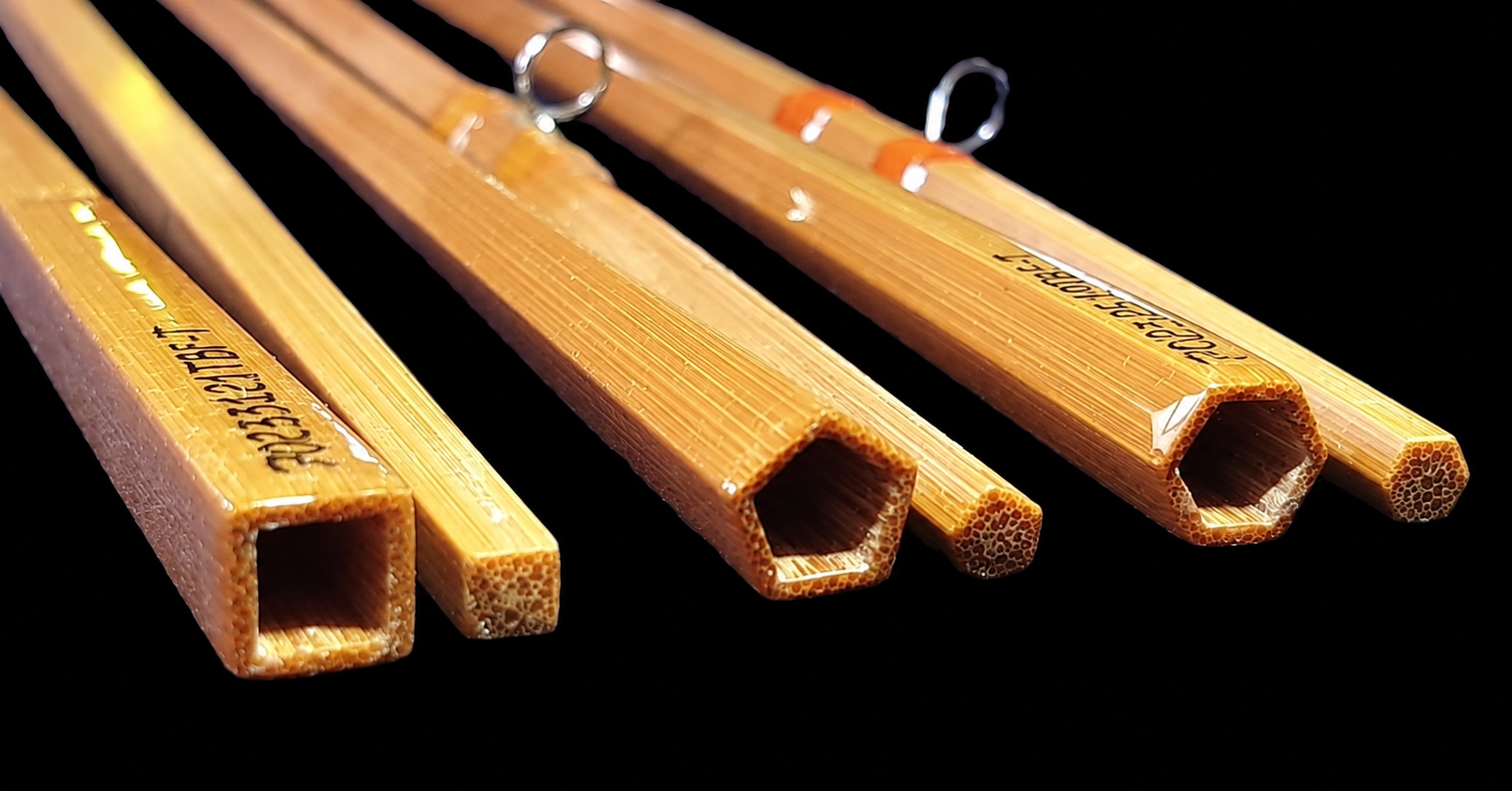
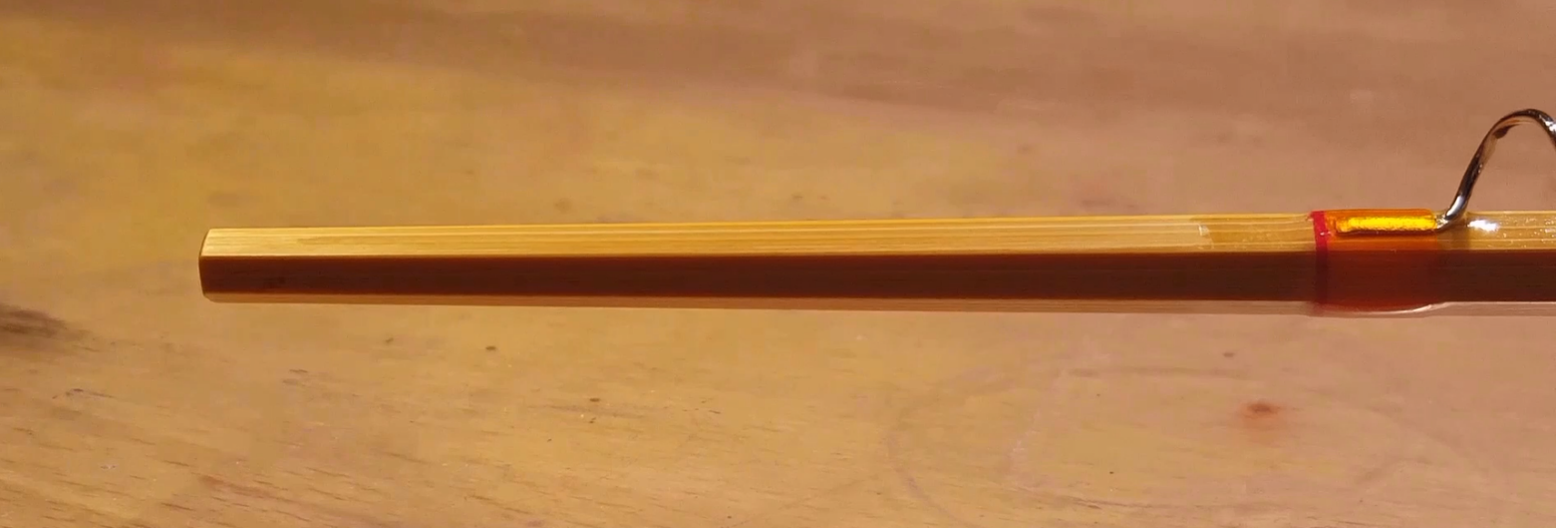
The TBF is built directly into the bamboo rod sections, becoming an integral part of the rod. The male and female sections are carefully shaped with a slight taper, allowing the joint to maintain the natural continuity of the bamboo.
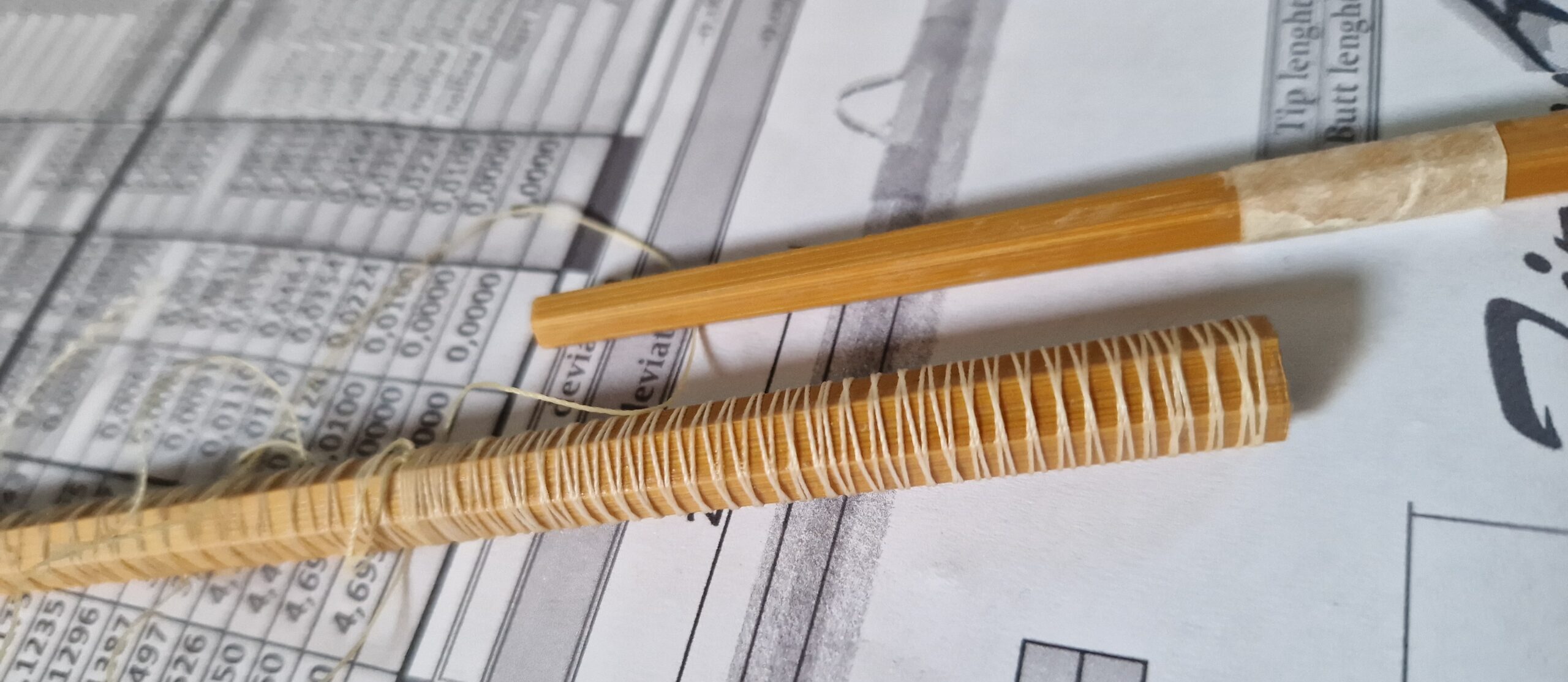
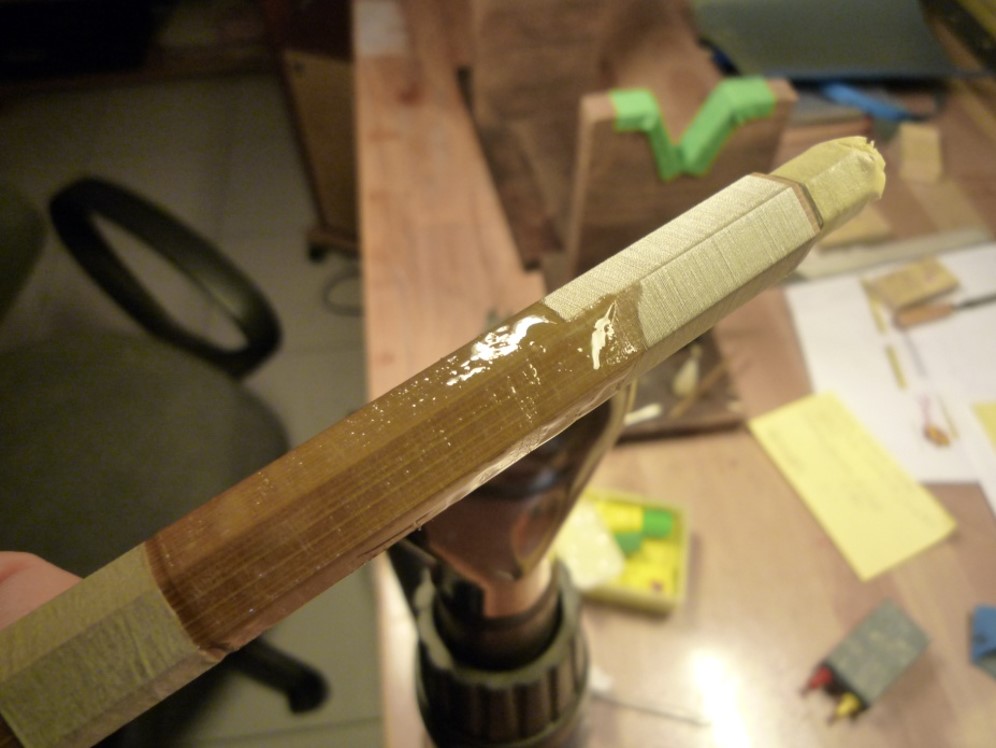
A suitable silk wrapping, combined with the epoxy finish, provides the necessary support for the slight radial expansion that occurs during insertion of the male section.
Advantages of the TBF
The TBF provides a secure connection while remaining fully integrated into the rod structure. Its low profile helps maintain the continuity of the rod’s curve, while its light weight preserves the natural action, balance and feel of the bamboo.
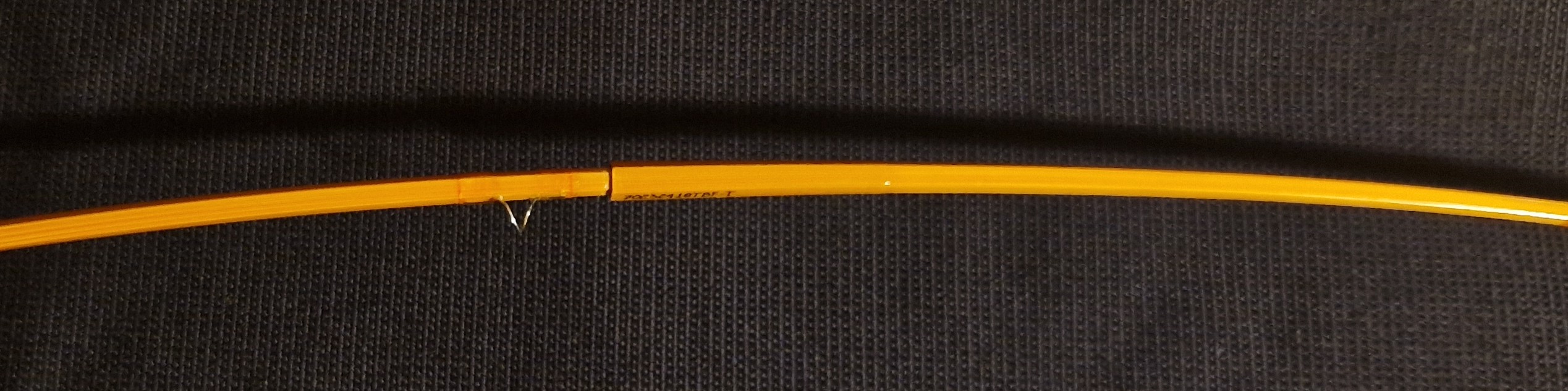
Its seamless integration also gives the rod a clean and streamlined appearance. Finally, the tapered geometry makes the joint easier to release after fishing, reducing the risk of the two sections becoming permanently stuck together.
Testing and Development
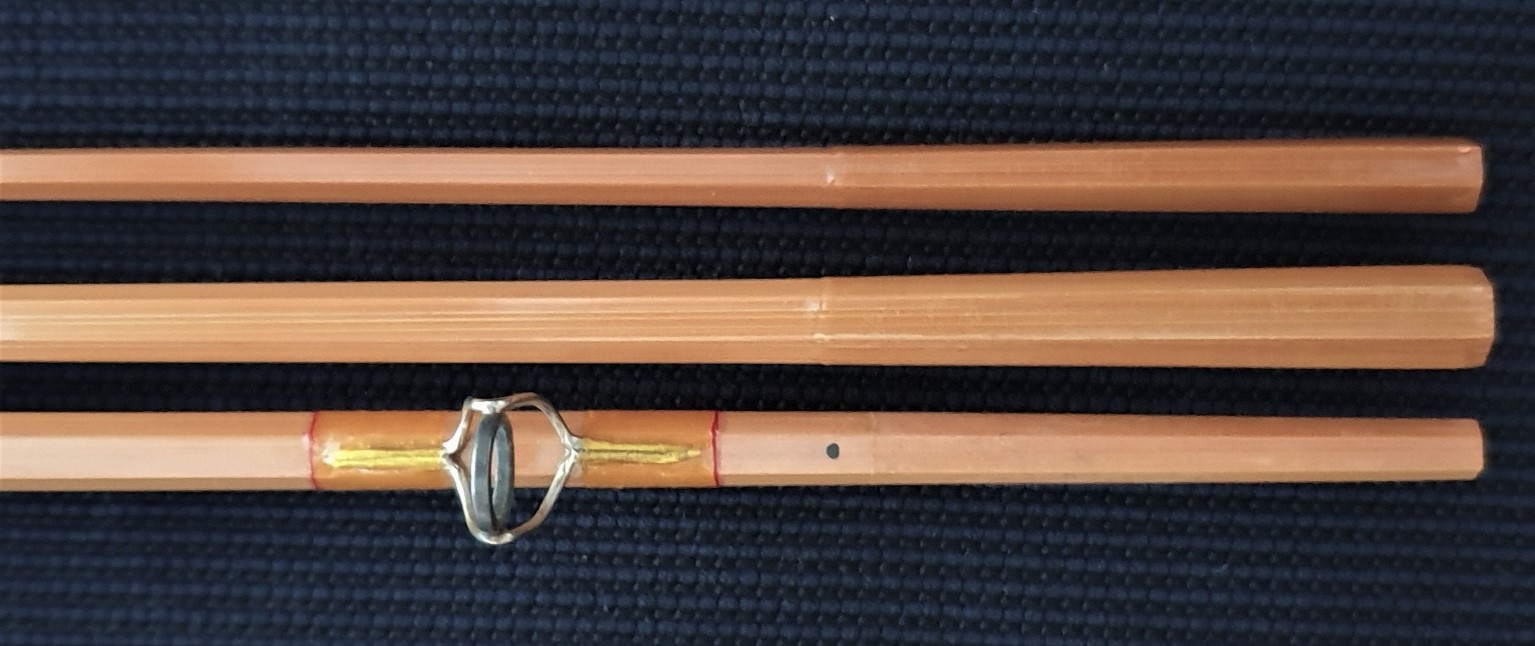
The TBF has been tested in practice on bamboo rods and on dedicated ferrule samples, with the aim of gaining experience with the behavior, strength and reliability of the joint. Different rod geometries with different bamboo ferrule dimensions and line weights were considered during the development of the TBF, together with different wrapping materials, epoxy finishing application techniques.
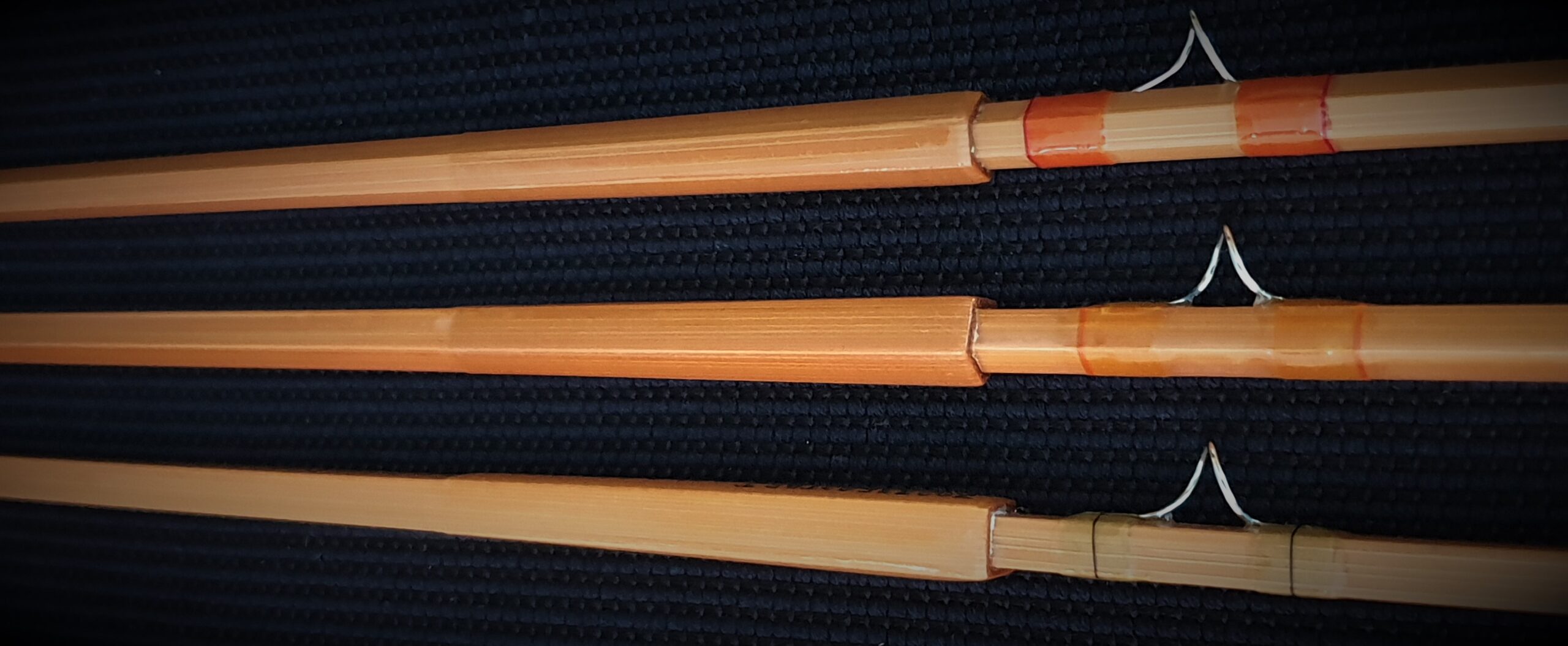
These tests and practical experience helped refine the design and construction of the TBF. The results confirmed the effectiveness of the tapered joint and the wedge principle behind its design.
For a detailed description of the tests, measurements and subsequent development of the TBF, see the article Development of the TBF conical bamboo ferrule: analysis after a few years, published in IBRA Bamboo Journal no. 26.
TBF vs. Nickel-Silver Ferrules
Nickel-silver ferrules have traditionally been associated with the classical bamboo fly rod. However, their manufacture requires machining to very tight tolerances, often demanding machine tools and skills quite different from those used to build the bamboo rod itself. The TBF, on the other hand, is made directly from bamboo strips and remains an integral part of the rod. Its tapered design allows the ferrule to be produced using the same planing technique used for the bamboo blank, without the need for precision machining of metal components.
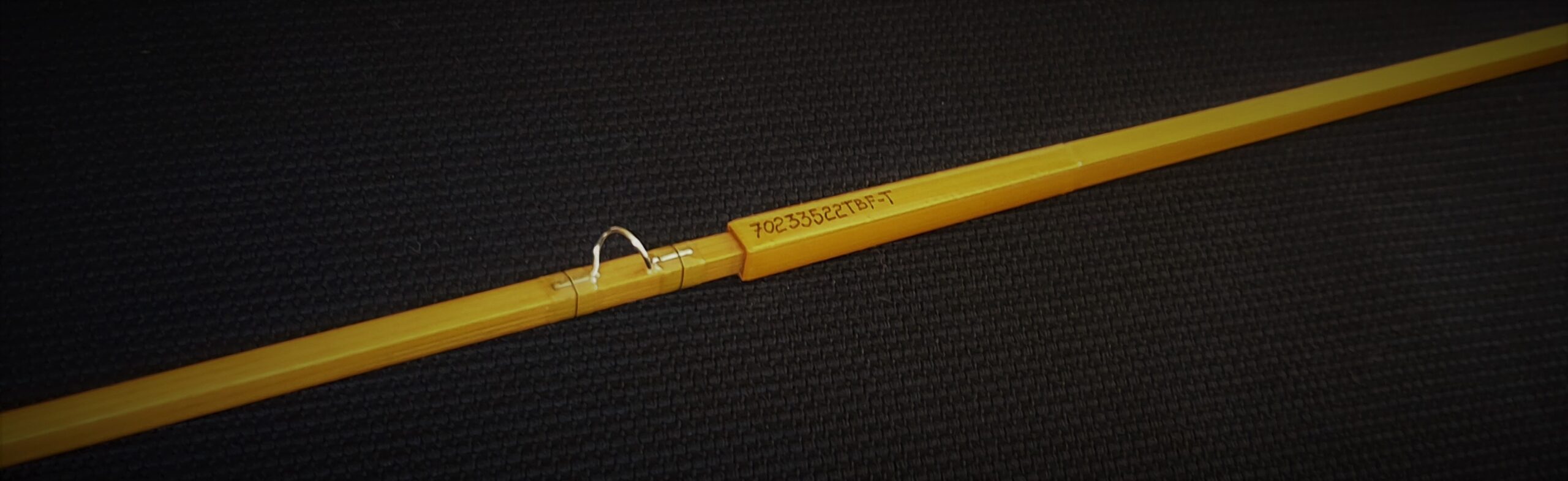
This makes the TBF particularly well suited to the traditional rodmaker’s workshop, combining a practical and accessible manufacturing process with a fully integrated construction that preserves the lightness, flexibility and natural continuity of the bamboo rod.
TBF Publications & References
The TBF was presented at the 2018 IBRA Gathering and subsequently documented in two articles published in the IBRA Bamboo Journal in 2019 and 2023, as well as in a presentation at the 2026 IBRA Workshop. Here are the links to the articles and the presentation:
-> 2019 – Tapered Bamboo Ferrule
-> 2023 – Development of the TBF conical bamboo ferrule: analysis after a few years
-> 2026 –TBF Tapered Bamboo Ferrule