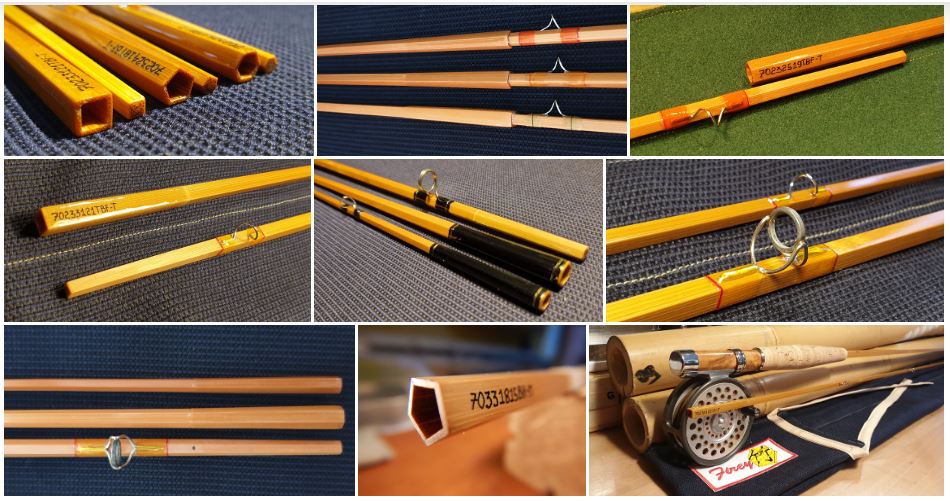


TBF – Tapered Bamboo Ferrule
Integrated Bamboo Conical Joint

The Tapered Bamboo Ferrule (TBF) is an integrated conical joint designed specifically for bamboo fly rods. Developed to provide a secure and precise connection between the two or more rod sections while preserving the natural action and feel of bamboo, the TBF combines a simple mechanical principle of the wedge.
The Wedge Principle
As the tapered male section is inserted into the female section, the wedge action generated by the taper converts the linear insertion force F into radial pressure pr.This pressure induces outward expansion of the female section, while the elasticity of the silk wrapping, reinforced by the epoxy, resists the expansion.
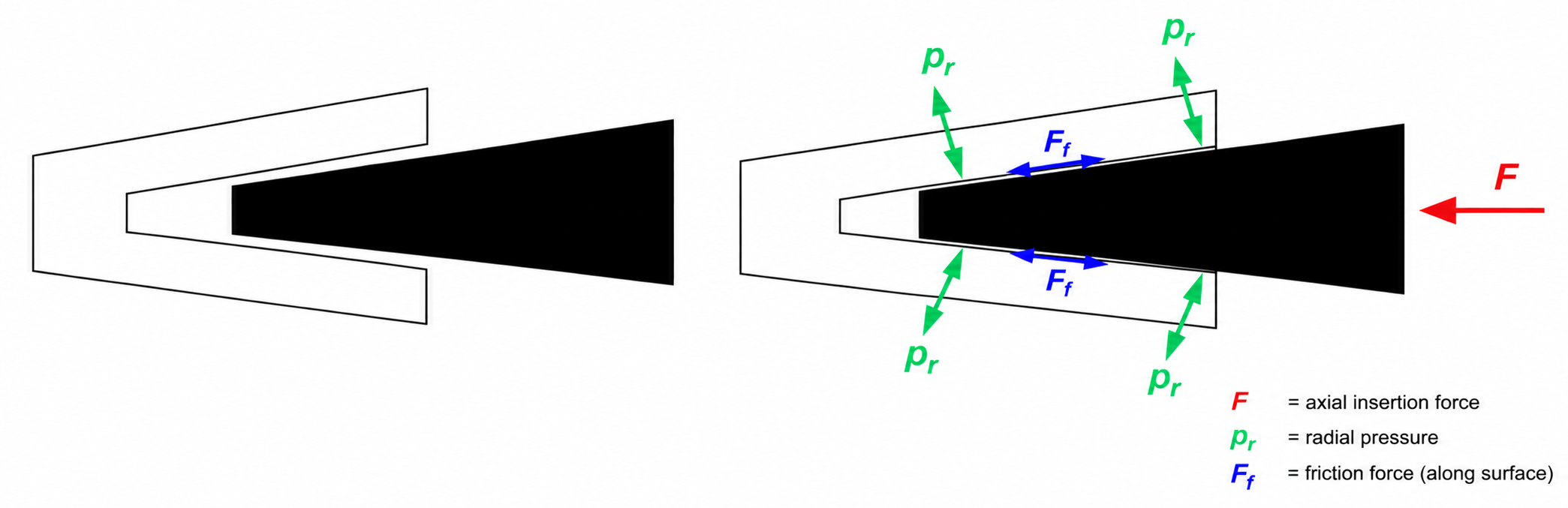
The silk and epoxy wrapping provides the necessary restraint for the development of strong and evenly distributed radial pressure, locking the two sections together through friction and mechanical interlock Ff. A longer and thinner wedge requires less force to produce the same radial effect, while a narrower angle increases the lateral force generated relative to the applied force. This principle allows the TBF to achieve a secure and reliable grip during casting.
How the TBF Works
The TBF works through the progressive insertion of the tapered male section into the female section.
As the two sections engage, the increasing contact between their tapered surfaces creates a secure and progressively tighter connection. During the final millimeters of insertion, friction between the tapered surfaces generates the gripping force that securely locks the two sections together. The mechanical sequence can be summarized as:
MALE INSERTION ⟶ WEDGE ACTION ⟶ RADIAL PRESSURE ⟶ EXPANSION OF THE FEMALE ⟶ SILK/EPOXY RESIST THE EXPANSION ⟶ PRESSURE IS MAINTAINED ⟶ FRICTION LOCKS THE SECTIONS
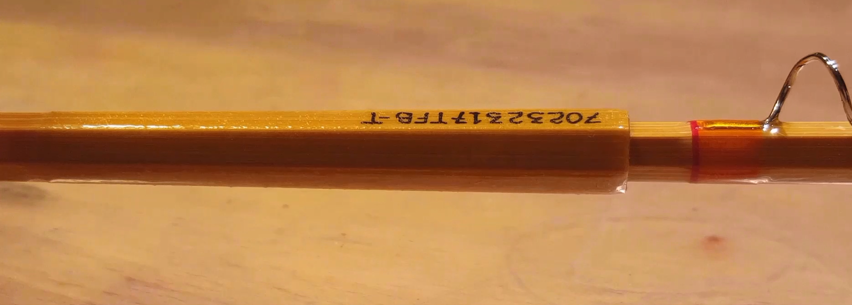
TBF Design and Construction
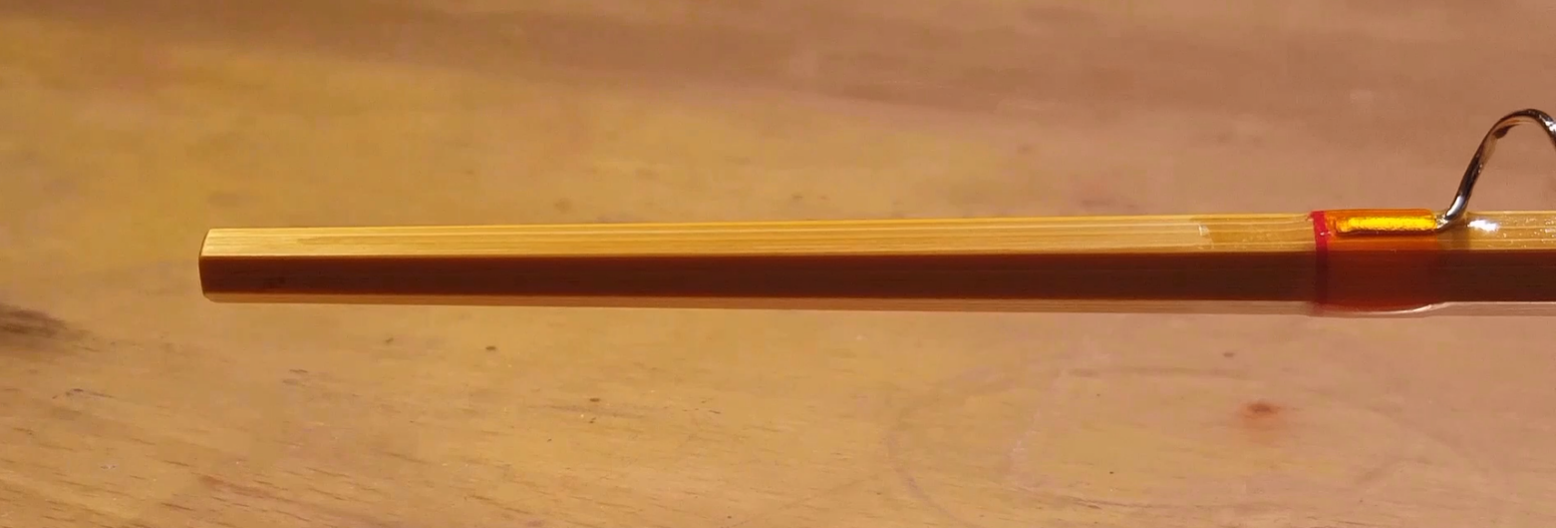
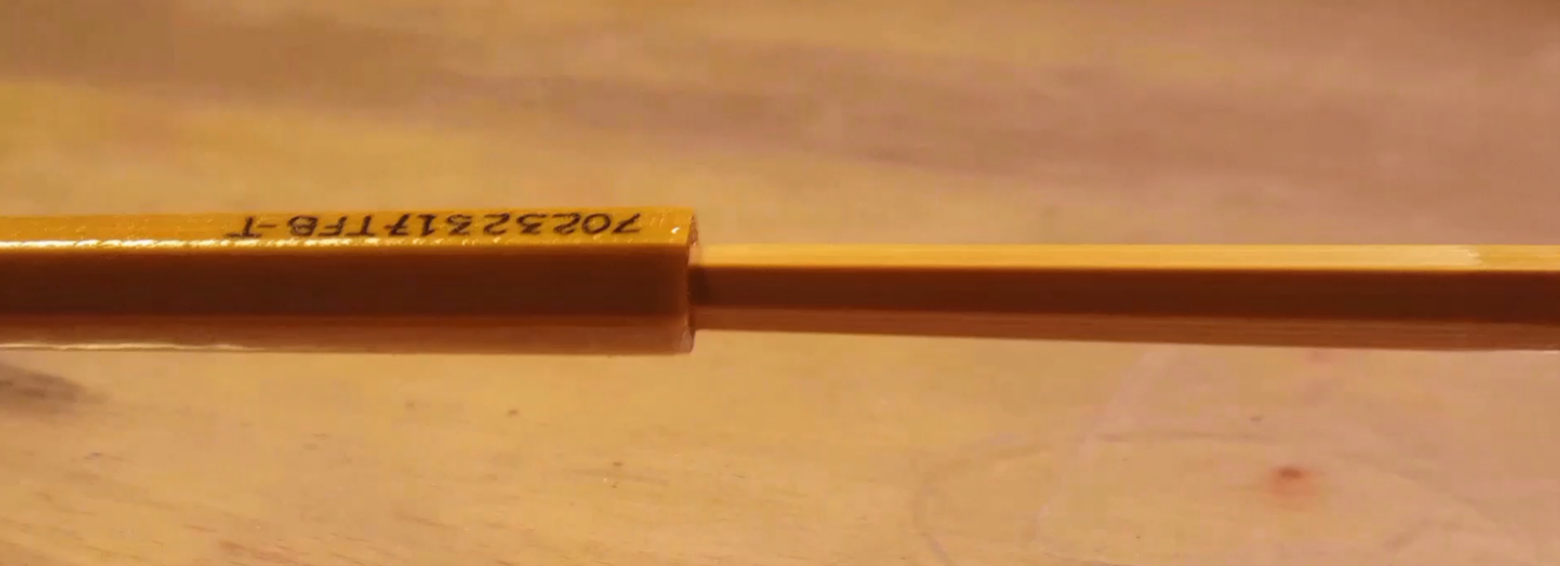
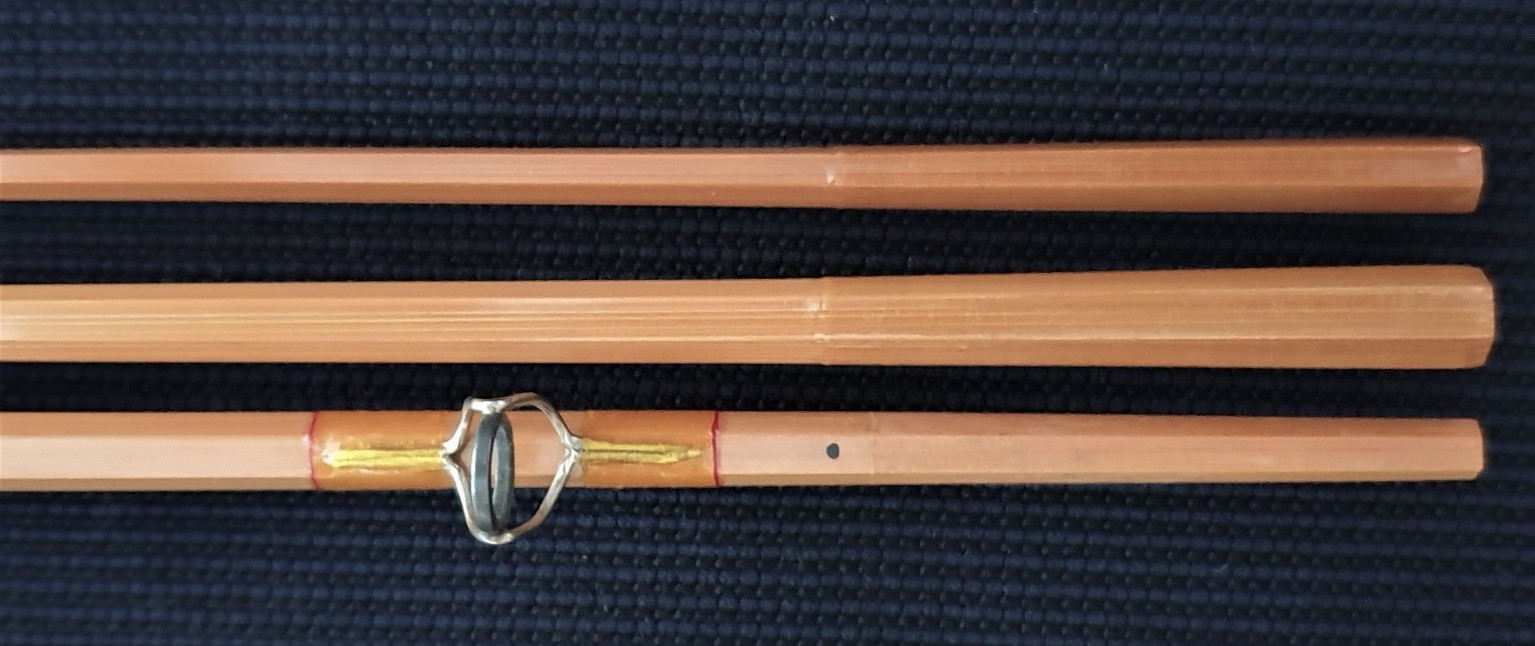
The TBF is built directly into the bamboo rod sections, becoming an integral part of the rod. The male and female sections are carefully shaped with a slight taper, allowing the joint to maintain the natural continuity of the bamboo.
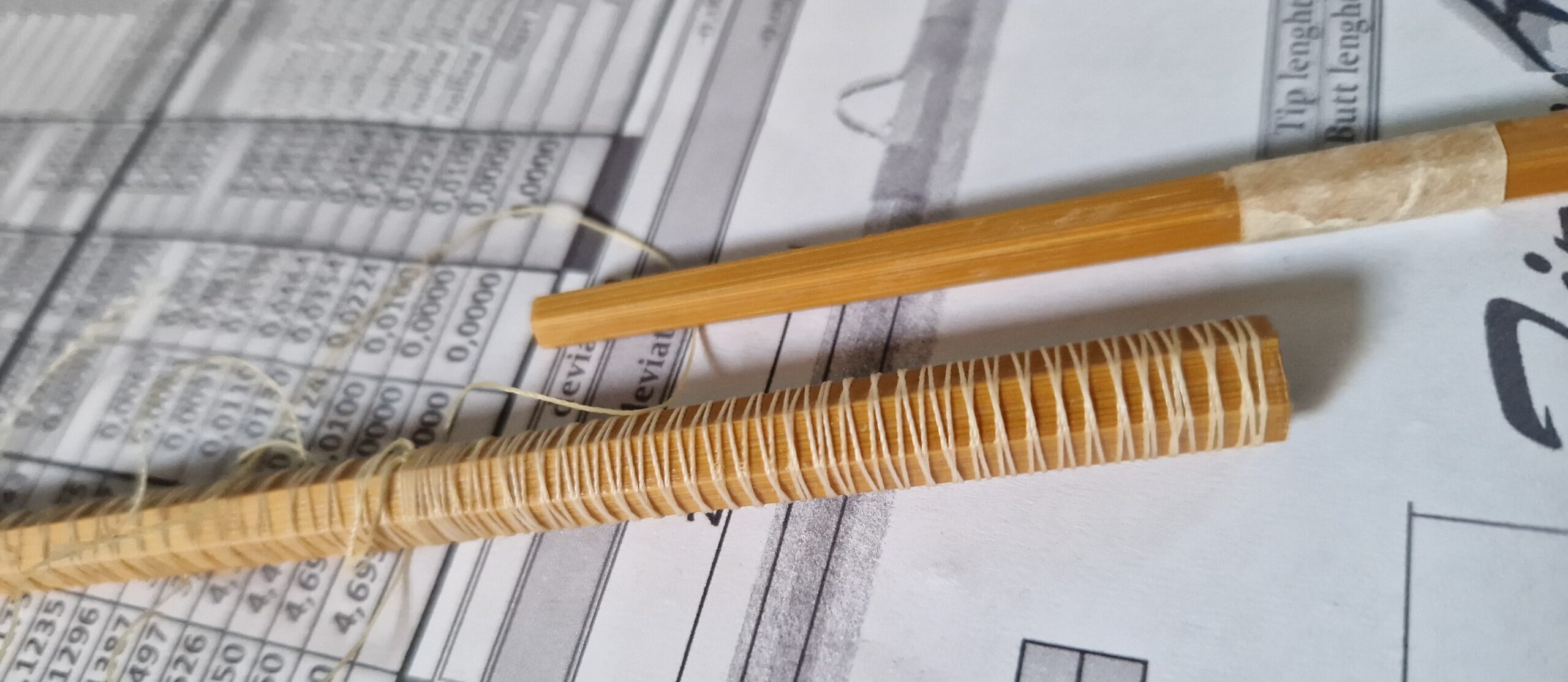
A suitable silk wrapping, combined with the epoxy finish, provides the necessary support for the slight radial expansion that occurs during insertion of the male section.
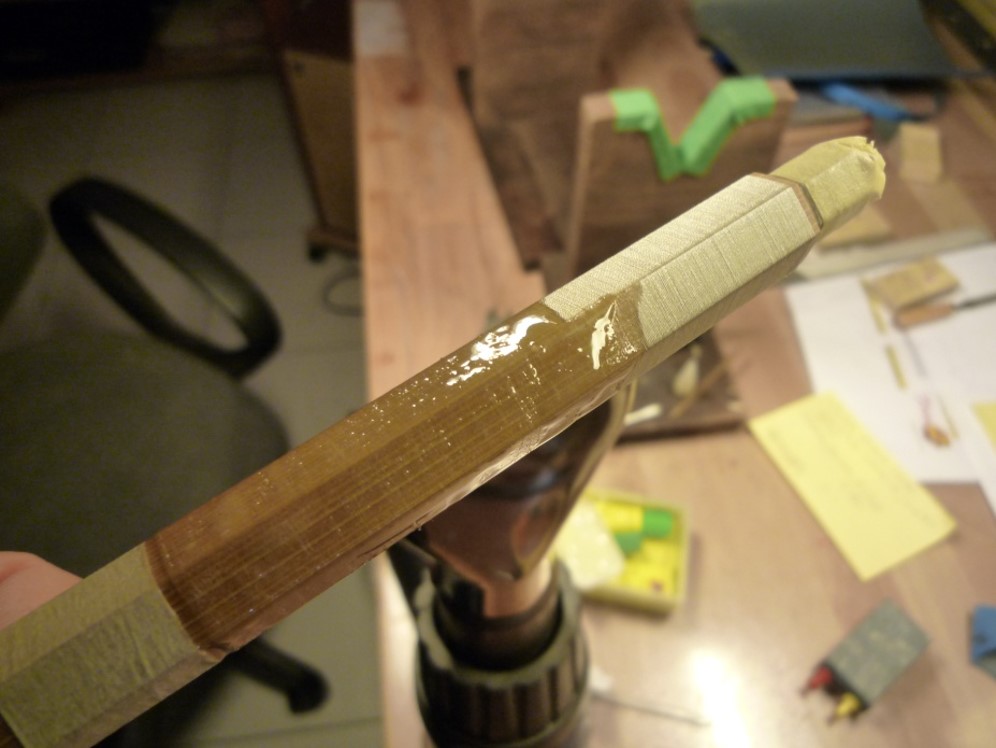
Advantages of the TBF
The TBF provides a secure connection while remaining fully integrated into the rod structure. Its low profile helps maintain the continuity of the rod’s curve, while its light weight preserves the natural action, balance and feel of the bamboo.
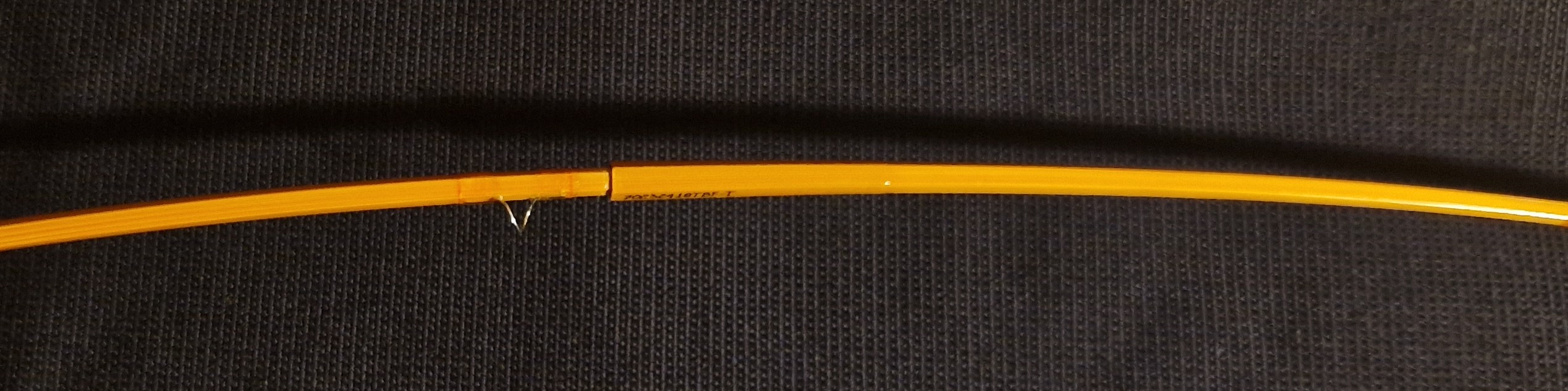
Its seamless integration also gives the rod a clean and streamlined appearance. Finally, the tapered geometry makes the joint easier to release after fishing, reducing the risk of the two sections becoming permanently stuck together. TBF also allows the two sections to be easily separated after use.
Testing and Development
The TBF has been tested in practice on bamboo rods and on dedicated ferrule samples, with the aim of gaining experience with the behavior, strength and reliability of the joint. Different rod geometries with different bamboo ferrule dimensions and line weights were considered during the development of the TBF, together with different wrapping materials, epoxy finishing application techniques.
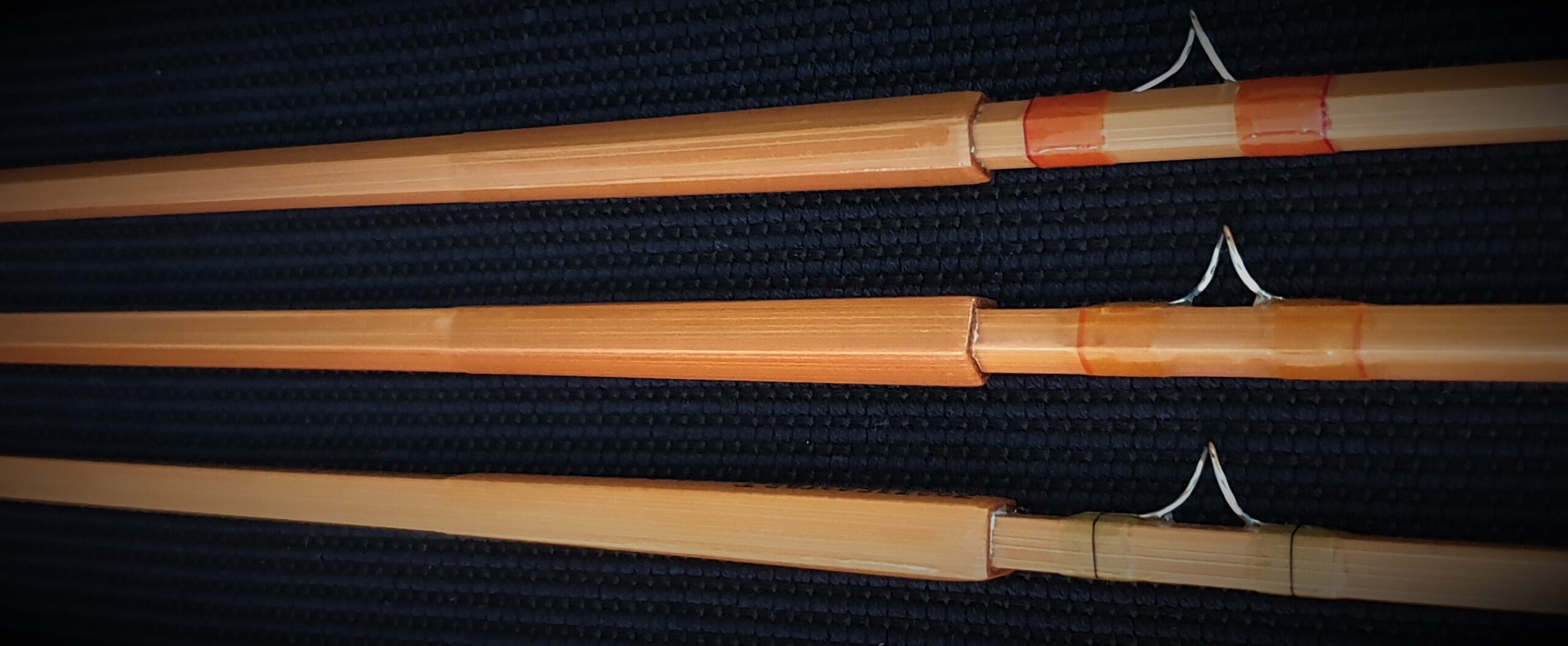
These tests and practical experience helped refine the design and construction of the TBF. The results confirmed the effectiveness of the tapered joint and the wedge principle behind its design.
For a detailed description of the tests, measurements and subsequent development of the TBF, see the article Development of the TBF conical bamboo ferrule: analysis after a few years, published in IBRA Bamboo Journal no. 26.
TBF vs. Nickel-Silver Ferrules
Nickel-silver ferrules have traditionally been associated with the classical bamboo fly rod. However, their manufacture requires machining to very tight tolerances, often demanding machine tools and skills quite different from those used to build the bamboo rod itself. The TBF, on the other hand, is made directly from bamboo strips and remains an integral part of the rod. Its tapered design allows the ferrule to be produced using the same planing technique used for the bamboo blank, without the need for precision machining of metal components.
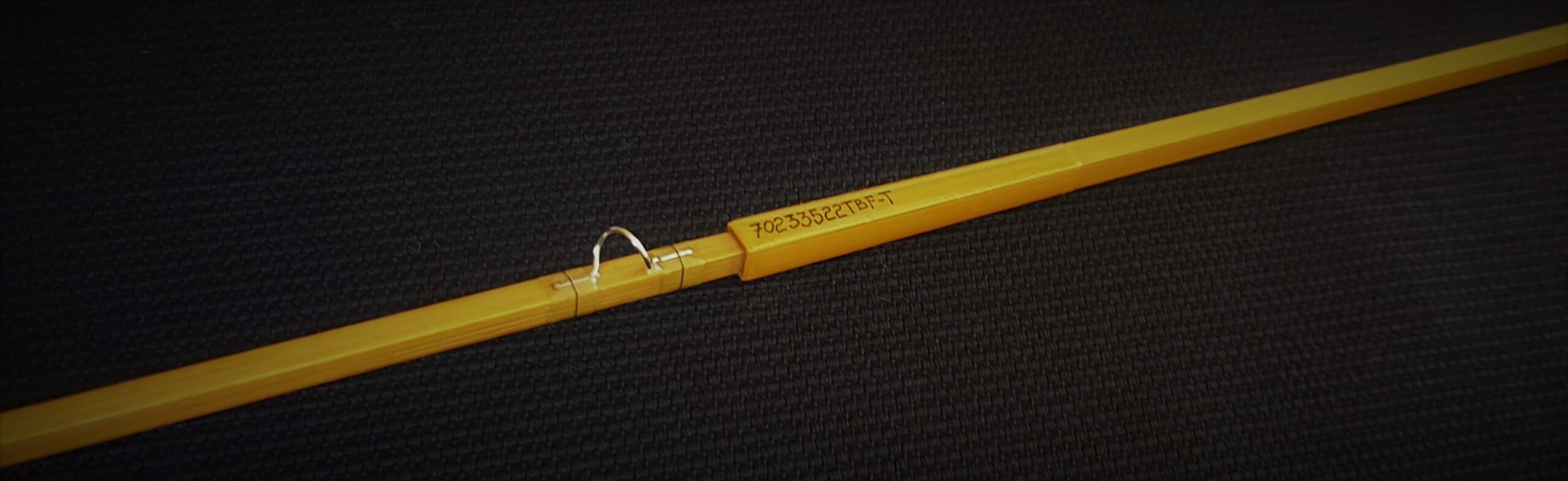
This makes the TBF particularly well suited to the traditional rodmaker’s workshop, combining a practical and accessible manufacturing process with a fully integrated construction that preserves the lightness, flexibility and natural continuity of the bamboo rod.
TBF Publications & References
The TBF was presented at the 2018 IBRA Gathering and subsequently documented through two articles published in the IBRA Bamboo Journal.

Bamboo Journal No. 19 February 2019
This article introduces the Tapered Bamboo Ferrule and describes its design and construction as an integrated conical bamboo joint.
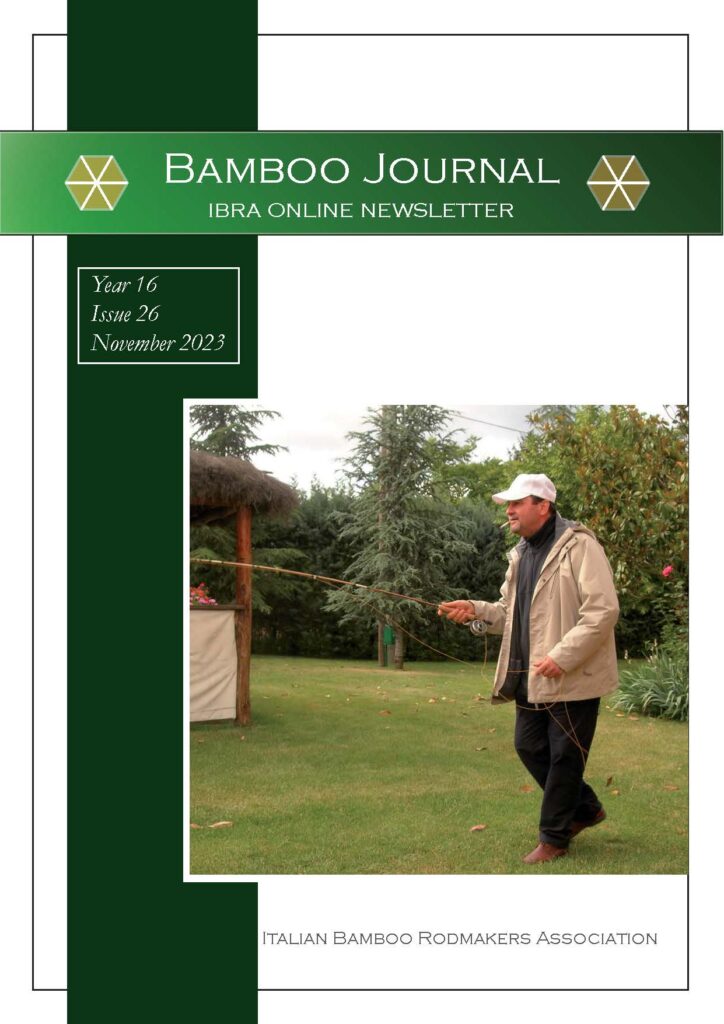
Bamboo Journal No. 26 November 2023
Development of the TBF conical bamboo ferrule: analysis after a few years
This article reports the subsequent development of the TBF, from building and fishing with rods, together with tests and further technical observations.